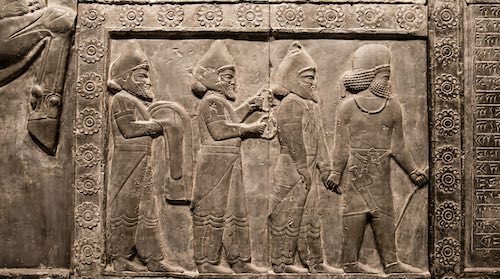
The Origins of Banking: From Ancient Sumerian Temples to Modern Digital Finance
Discover how ancient temple economies in Mesopotamia helped shape the foundations of modern banking, credit systems, debt, and digital finance. This video explores the evolution of money from silver and barley in ancient Sumeria to today’s cashless financial systems.
Thousands of years before Bitcoin, modern banks, or credit cards existed, the most powerful financial institutions in the world were temple complexes in ancient Mesopotamia. Temple priests acted as early bankers, controlling silver, barley, cattle, and trade throughout the Fertile Crescent.
Historical records from cuneiform tablets dating back to approximately 3000 BC reveal that silver by weight was used as a standardized form of exchange during the Azag-Bau Dynasty of Kish. These early systems transformed agricultural goods into measurable economic wealth, establishing principles still visible in today’s financial systems.
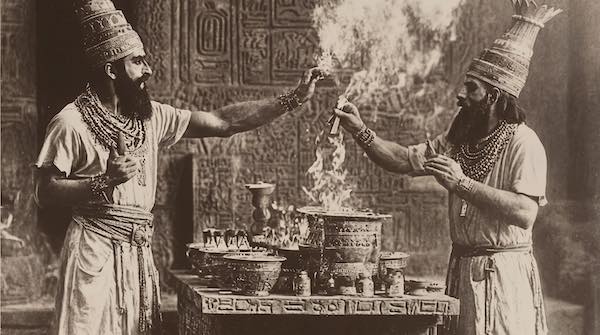
Ancient Sumerian temples operated as centralized economic hubs where:
Precious metals were stored and tracked
Farmers received interest-bearing loans
Debt records were maintained on clay tablets
Barley functioned as a wage and debt currency
Long-distance trade was coordinated through early credit systems
According to historical writings on Mesopotamian civilization, temples became the first organized institutions capable of supporting widespread commercial relations and economic stability.
How Ancient Mesopotamian Economics Influenced Modern Banking
The Sumerian financial system introduced many concepts that remain foundational to modern economics and banking today.
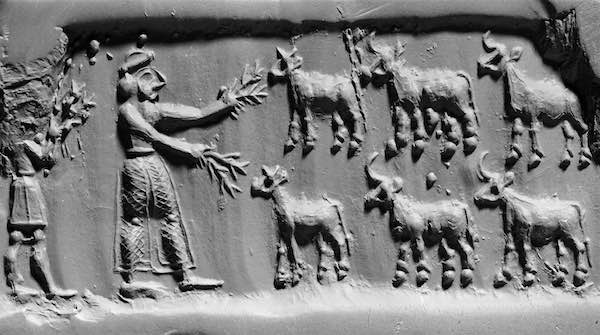
Temple priests managed sophisticated financial operations involving silver rings, coils, blocks, and agricultural commodities such as barley. Interest rates could reach 20% for silver loans and over 33% for barley-related debts.
To prevent economic collapse and social unrest, rulers periodically issued debt cancellation decrees known as “clean slate” proclamations. These policies helped maintain economic balance and preserve social stability among farming populations.
The use of clay tablets and cuneiform writing also became one of humanity’s earliest accounting systems, enabling governments and temple authorities to track debts, inventories, taxes, and trade agreements across large regions.
As civilization evolved, these ancient economic frameworks gradually developed into the banking systems, monetary policies, and financial institutions that dominate the modern world.
The Future of Money: Digital Currency, Cashless Societies, and Financial Control
The video also examines concerns surrounding modern monetary systems and the transition toward digital finance.
In today’s economy, many argue that fiat currency has become disconnected from tangible value, creating inflation, debt dependency, and economic instability. The discussion compares modern financial institutions and skyscraper-dominated city centers to the powerful temple structures of ancient civilizations.
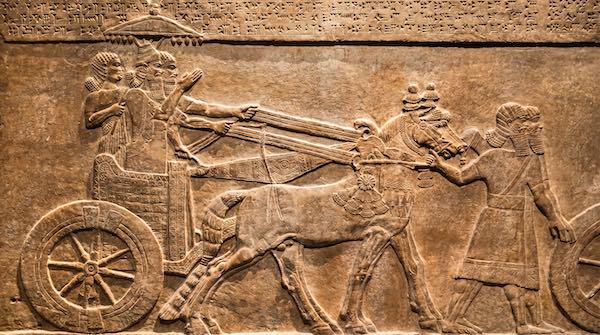
As governments and financial institutions continue expanding digital banking infrastructure, debates around economic freedom, privacy, and centralized control are becoming increasingly relevant.
The video raises important questions about whether modern society is repeating historical patterns established thousands of years ago in ancient Sumeria.
Watch the Full Video on Ancient Economics and Modern Banking
This documentary-style video explores the hidden history of money, ancient temple banking systems, Sumerian economics, and the evolution of financial control throughout human civilization.